
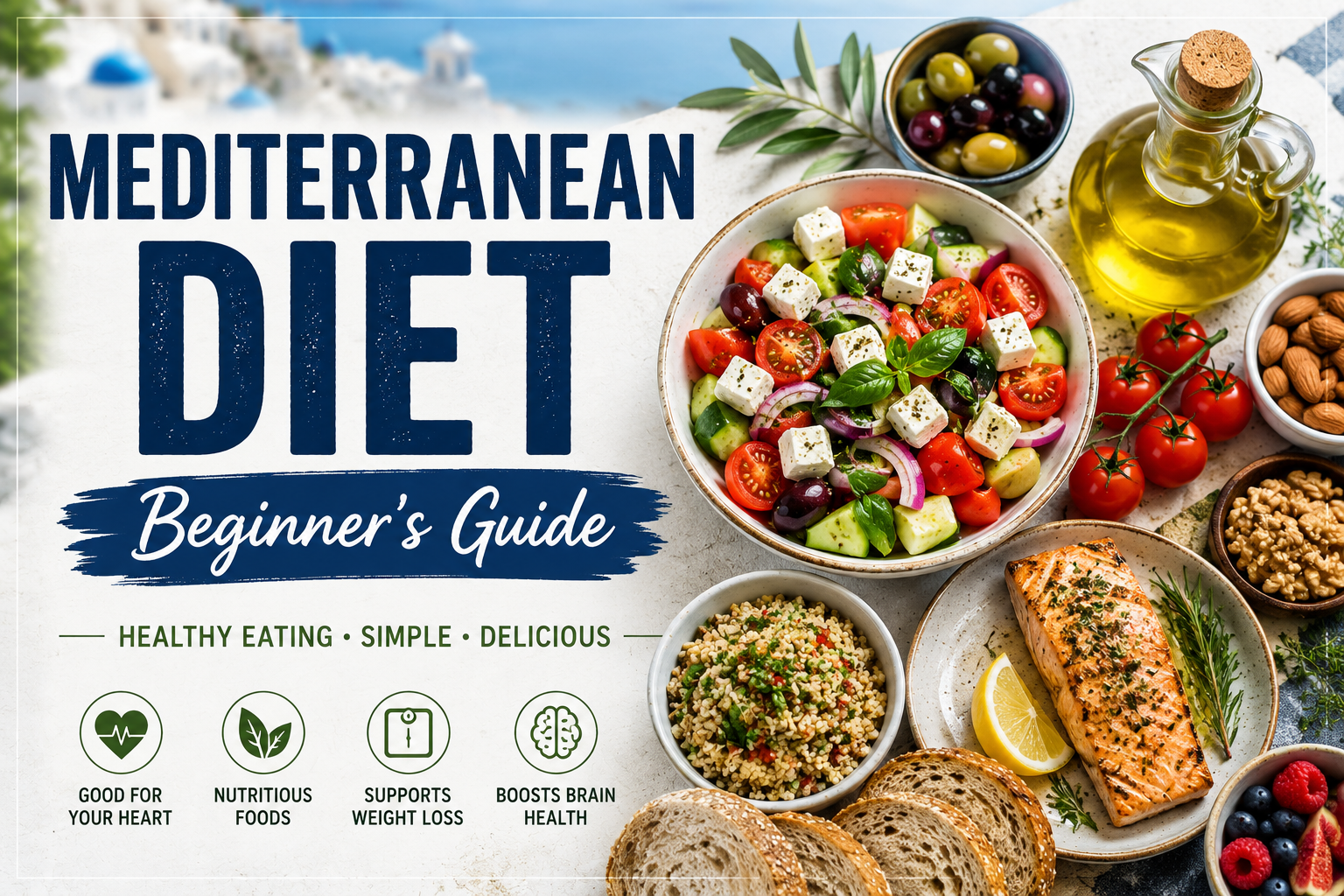

The Mediterranean diet is widely recognized as one of the healthiest eating patterns in the world. Inspired by the traditional cuisines of countries bordering the Mediterranean Sea, such as Greece, Italy, and Spain, this diet focuses on fresh, wholesome ingredients and balanced meals.
Unlike many restrictive diets, the Mediterranean diet is a lifestyle that encourages enjoying delicious foods while promoting long-term health.
What Is the Mediterranean Diet?
The Mediterranean diet emphasizes:
- Fresh fruits and vegetables.
- Whole grains.
- Legumes and beans.
- Nuts and seeds.
- Olive oil as the primary source of fat.
- Fish and seafood.
- Moderate amounts of dairy products.
- Limited red meat and processed foods.
The goal is to eat natural, minimally processed foods that provide essential nutrients and support overall well-being.
Health Benefits
1. Supports Heart Health
Extra virgin olive oil, nuts, and fatty fish contain healthy fats that may help maintain healthy cholesterol levels and support cardiovascular function.
2. Helps Maintain a Healthy Weight
The Mediterranean diet is rich in fiber and protein, which can help you stay satisfied for longer periods.
3. Supports Brain Function
Foods such as salmon, walnuts, and leafy greens provide nutrients that contribute to cognitive health.
4. Reduces Inflammation
Many Mediterranean foods contain antioxidants and anti-inflammatory compounds that support overall health.
5. Promotes Digestive Health
A high intake of fruits, vegetables, legumes, and whole grains provides dietary fiber that supports digestion.
Foods to Eat
Vegetables
- Tomatoes
- Spinach
- Broccoli
- Cucumbers
- Bell peppers
- Eggplant
Fruits
- Apples
- Oranges
- Grapes
- Figs
- Berries
- Pomegranates
Healthy Fats
- Extra virgin olive oil
- Avocados
- Almonds
- Walnuts
Protein Sources
- Salmon
- Tuna
- Sardines
- Chicken
- Eggs
- Lentils
- Chickpeas
Whole Grains
- Brown rice
- Oats
- Whole wheat bread
- Quinoa
Foods to Limit
While no food is completely forbidden, it’s best to reduce:
- Sugary drinks.
- Processed snacks.
- Fast food.
- Excessive sweets.
- Highly processed meats.
- Refined carbohydrates.
Sample Mediterranean Meal Plan
Breakfast
Greek yogurt topped with berries, walnuts, and honey.
Lunch
Grilled chicken salad with tomatoes, cucumbers, olives, and olive oil dressing.
Snack
A handful of almonds and fresh fruit.
Dinner
Grilled salmon served with roasted vegetables and brown rice.
Dessert
Fresh seasonal fruit.
Easy Tips for Beginners
Cook with Olive Oil
Replace butter or margarine with extra virgin olive oil whenever possible.
Eat More Vegetables
Try to fill at least half of your plate with vegetables during lunch and dinner.
Choose Fish Twice a Week
Fatty fish provide beneficial omega-3 fatty acids.
Snack Smart
Instead of chips or sweets, choose nuts, fruit, or yogurt.
Stay Hydrated
Drink plenty of water throughout the day.
Common Myths
Myth: It’s Expensive.
Many Mediterranean staples like beans, oats, vegetables, and seasonal fruits are affordable.
Myth: You Can’t Eat Meat.
You can still enjoy meat, but smaller portions and less frequently.
Myth: It’s Hard to Follow.
Simple ingredients and easy recipes make the Mediterranean diet suitable for most households.
Frequently Asked Questions
Can I lose weight on the Mediterranean diet?
Yes. Combined with portion control and regular physical activity, it can support healthy weight management.
Is bread allowed?
Yes. Whole grain bread is encouraged over refined white bread.
Can vegetarians follow this diet?
Absolutely. Legumes, nuts, dairy, and vegetables provide excellent nutrition for vegetarian meal plans.
Final Thoughts
The Mediterranean diet is more than a temporary eating plan—it’s a sustainable lifestyle that encourages nutritious, flavorful foods and balanced eating habits.
By focusing on fresh ingredients, healthy fats, lean proteins, and plenty of fruits and vegetables, you can enjoy satisfying meals while supporting your long-term health. Small changes, such as cooking with olive oil, eating more fish, and adding extra vegetables to your plate, can make a meaningful difference over time.
Whether your goal is to improve your heart health, maintain a healthy weight, or simply enjoy better food, the Mediterranean diet offers a practical and enjoyable path toward healthier living.
